
The Importance of Finding the Right Office Space Rental
In the modern business landscape, selecting the right office space is pivotal for a company's success. It not only affects daily operations and employee satisfaction but also shapes brand image and financial health. This article explores critical aspects and considerations in finding the ideal office space rental.
1. Assessing Business Needs and Objectives
To begin the search for the ideal office space rental, businesses must first assess their fundamental needs and objectives. Understanding the company's size and growth potential is crucial as it helps in determining the amount of space needed. A larger company with expansion plans will require a scalable space, while a startup may need a flexible arrangement. Determining the purpose of the office space—whether it's primarily for collaborative work, executive meetings, or client interactions—also plays a significant role. Moreover, businesses should take into account any brand-specific requirements that might dictate the nature or design of the chosen space.
Budgetary constraints are another essential consideration. Companies must clearly outline their budget for the rental to ensure they are not unnecessarily overspending. Factoring in other costs such as furnishings, utilities, and technology installations is equally important when assessing financial viability. Transparency in budgeting allows a clearer comparison between different potential office spaces. It also helps businesses avoid hidden costs that might strain financial resources in the long run.
Projecting future needs and expansion plans cannot be overlooked during the planning phase. Growth-oriented businesses must prioritize spaces that allow for scalability without requiring a complete overhaul of their current setup. Flexibility in terms of lease agreements and the physical adaptability of the office can facilitate seamless expansions. Business leaders should evaluate potential changes in workforce size or operational focus that might necessitate a larger or more tailored space. Additionally, considering the potential integration of remote work solutions can also affect these plans.
2. Understanding the Impact of Location on Business Operations
The location of an office space is significantly linked to a business's operational success. Proximity to clients and partners can influence customer perceptions and ease of collaboration. An office in a strategically advantageous location enables efficient client meetings and business engagements. Furthermore, ease of accessibility significantly impacts the operational workflow, potentially minimizing travel time and related logistics. As businesses evaluate locations, they should consider how well-connected those areas are to transport networks and main thoroughfares.
Accessibility for employees is also a major criterion when choosing an office location. A centrally located office that considers commute times can enhance employee satisfaction and retention. Proximity to public transportation can further promote sustainability and accessibility for all staff levels. Ensuring that the office location is inclusive, easy to reach, and minimizes employee commuting stress can contribute to a positive workplace culture. Moreover, accessibility often ties into local amenities, which serve to enhance the work-life balance for employees.
Investigating local amenities and services is critical in assessing the viability of an office location. Access to essential services such as dining options, financial institutions, and healthcare facilities is highly attractive. Furthermore, areas with vibrant locales often attract and retain talent due to a desirable work-life balance. A location with strong local services can enhance the quality of life for employees, potentially reducing turnover rates. Visibility and business presence are boosted when an office is placed in an area that is both accessible and brimming with amenities.
3. Balancing Cost With Value
Balancing cost with value is a nuanced aspect of selecting an office space rental. Comparing rental costs in different areas can reveal advantageous financial choices. Urban centers might come with higher rental fees but offer unmatched exposure and accessibility. Conversely, suburban spaces might present cheaper options that equally fulfill operational needs. The challenge is to weigh these costs against the offered value, ensuring that the investment positively contributes to the business's overall objectives.
Understanding lease terms and agreements is crucial for businesses to safeguard their financial interests. Beyond the primary rental cost, organizations need to be vigilant about terms that could lead to incremental expenses over time. Renegotiation clauses, penalties for early termination, and maintenance responsibilities are elements that influence the cost-effectiveness of an agreement. Clarity in these terms can prompt businesses to make informed decisions that align with their long-term plans. Additionally, thoroughly evaluating lease agreements minimizes the risk of unexpected financial burdens.
Identifying hidden costs and additional fees ensures the true cost of an office space is known. Utility fees, maintenance charges, and parking costs are recurring expenses that can significantly affect the budget. Navigating these hidden costs requires a comprehensive understanding of the leasing terms and effective negotiation strategies. The role of negotiation is crucial in achieving value, enabling businesses to maximize benefits within their financial allocation. According to Spherical Insights, the global office rental services market is projected to hold a significant share by 2035, growing at an annual rate of 10.29% from 2025 to 2035, indicating the importance of strategic financial planning in office rentals.
4. Evaluating the Design and Functionality of Office Space
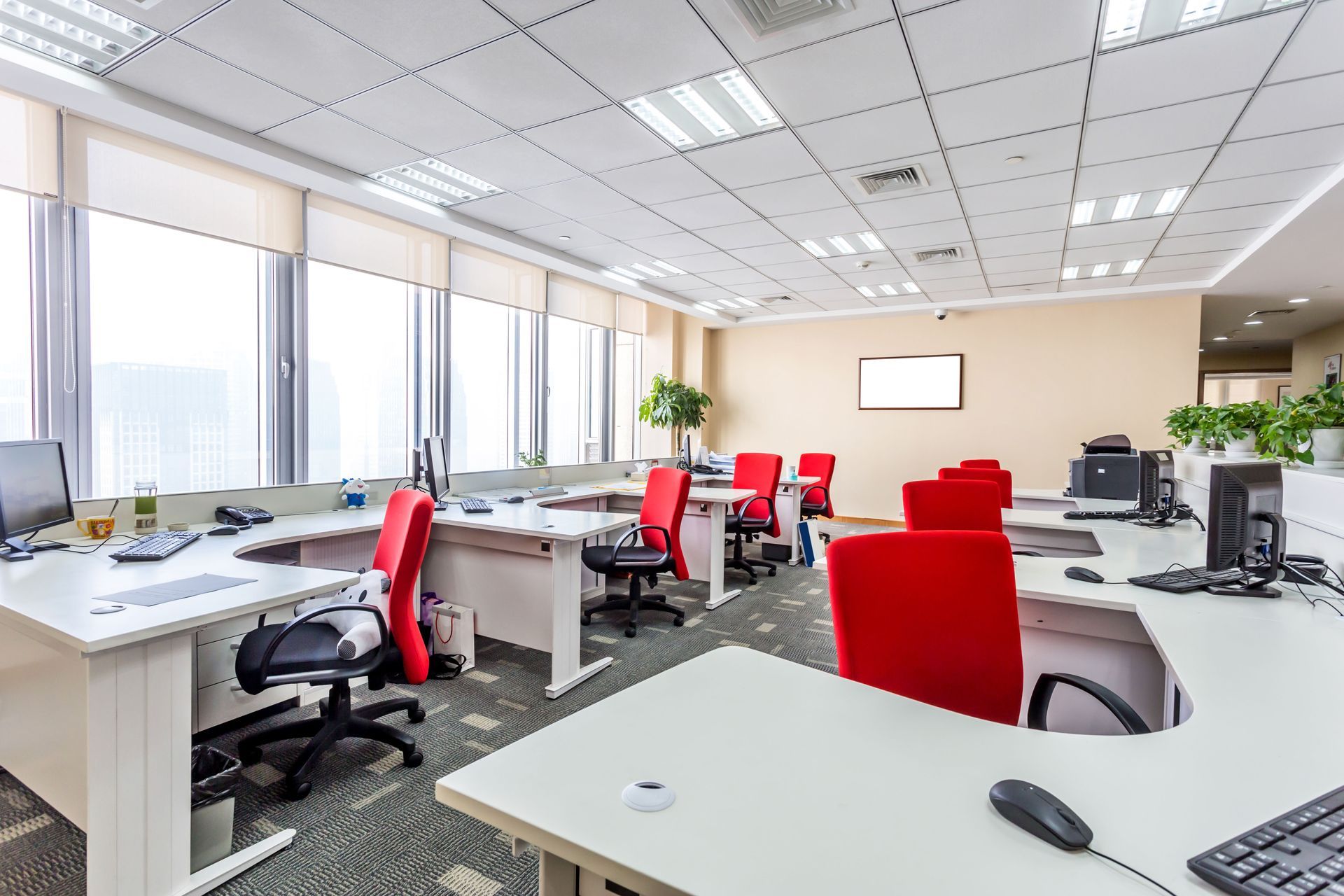
The design and functionality of office space are foundational to creating an effective work environment. The office layout and space utilization directly impact productivity. A space that facilitates open communication and collaboration can improve team synergy and efficiency. Additionally, a well-planned layout reduces potential distractions, fostering a conducive work environment. Thoughtful considerations about layout can enhance the day-to-day experience within the office, contributing to overall organizational success.
Moreover, creating a collaborative and flexible work environment is paramount in today’s dynamic business landscape. Flexible spaces support various work modes, accommodating teams who need both open collaborative areas and private workstations. A collaborative environment encourages innovation and problem-solving, essential traits for business success. By integrating flexible workspaces, companies can quickly adapt to changing needs, making them resilient to shifting trends and demands. This adaptability is a substantial advantage as businesses grow and diversify their operations.
Natural light and interior design also play crucial roles in employee satisfaction and efficiency. Exposure to natural light has been shown to improve mood and health, directly impacting productivity. Well-designed interiors featuring ergonomic furniture can reduce physical strain and contribute to a healthier workplace. Beyond functionality, these elements express a company’s brand values, creating a visual narrative that can resonate with both employees and clients. Aligning office design with brand image further reinforces the unique identity of the business while encouraging a sense of pride and belonging among employees.
5. Prioritizing Safety and Compliance
Safety and compliance are fundamental considerations in the selection of an office space rental. Ensuring that the building adheres to comprehensive safety standards is imperative to protect both employees and company assets. Businesses must evaluate emergency protocols, building structures, and existing security measures. Local safety regulations often stipulate the minimum standards, which are crucial for legal compliance and employee well-being. Adherence to these standards not only ensures safety but also enhances workplace morale.
Beyond structural safety, compliance with local regulations is equally crucial. These regulations can encompass a wide range of areas including zoning laws, fire safety standards, and occupational health rules. Businesses must ensure that their chosen property is duly certified, avoiding potential legal liabilities. Working with legal professionals who can navigate these regulations provides an additional layer of assurance. Compliance is not merely a legal formality but a reflection of the company's commitment to operational integrity.
Finding the right office space rental is a multifaceted decision that requires careful consideration of various factors, including business needs, location, cost, design, safety, and future adaptability. By focusing on these elements, businesses can secure an office space that not only supports their current operations but also facilitates future growth and success. The office environment plays a pivotal role in shaping the company's identity, attracting talent, and ensuring operational efficiency. As the global office rental market continues to evolve, businesses that strategically align their office space decisions with their overall objectives are poised for sustained success and innovation. If you're looking for the ideal office space rental, make sure to contact Alterra Real Estate Advisors today!

Share On: