A Guide to Estimating How Much Office Space You Really Need
Maximizing operational efficiency while managing costs is essential for any business. Choosing the right local office space rental is a significant financial decision that requires careful assessment of your company's current and future needs. By evaluating growth projections, space functionality, and budgeting considerations, businesses can make informed decisions that support productivity. Thoughtful planning ensures that the office environment aligns with your company's goals while optimizing both space and resources.
Understanding Your Business's Growth Trajectory
The first step in estimating the right office space is understanding your business' growth trajectory, particularly regarding employee numbers. Choosing a local office space rental that can accommodate projected growth helps prevent the costly need to relocate soon after moving in. Analyzing historical data and industry trends allows you to forecast future staffing and operational needs accurately. Growth impacts requirements for amenities such as restrooms, break areas, and collaborative spaces. By setting realistic growth targets, you can plan for future space needs while maintaining financial stability and operational efficiency.
Analyzing current space utilization involves reviewing how your existing office is used by teams and employees. This step is critical for identifying underutilized areas or cramped conditions that could affect productivity. Office layouts often evolve organically, sometimes resulting in inefficient space use. Conducting space utilization studies can reveal insights into how effectively your business uses its current space. Designing future spaces with these insights ensures optimized utilization and employee satisfaction, avoiding costly adjustments later.
Market trends play a crucial role in estimating office space requirements. According to JLL, in the 3rd quarter of 2025, office attendance hit a fresh post-pandemic high in July, with foot traffic reaching 80% of pre-pandemic levels. This indicates a significant return to traditional office settings, impacting future space needs. Businesses must remain flexible and adaptable to these shifts to ensure future space usability.
Evaluating Different Types of Office Spaces
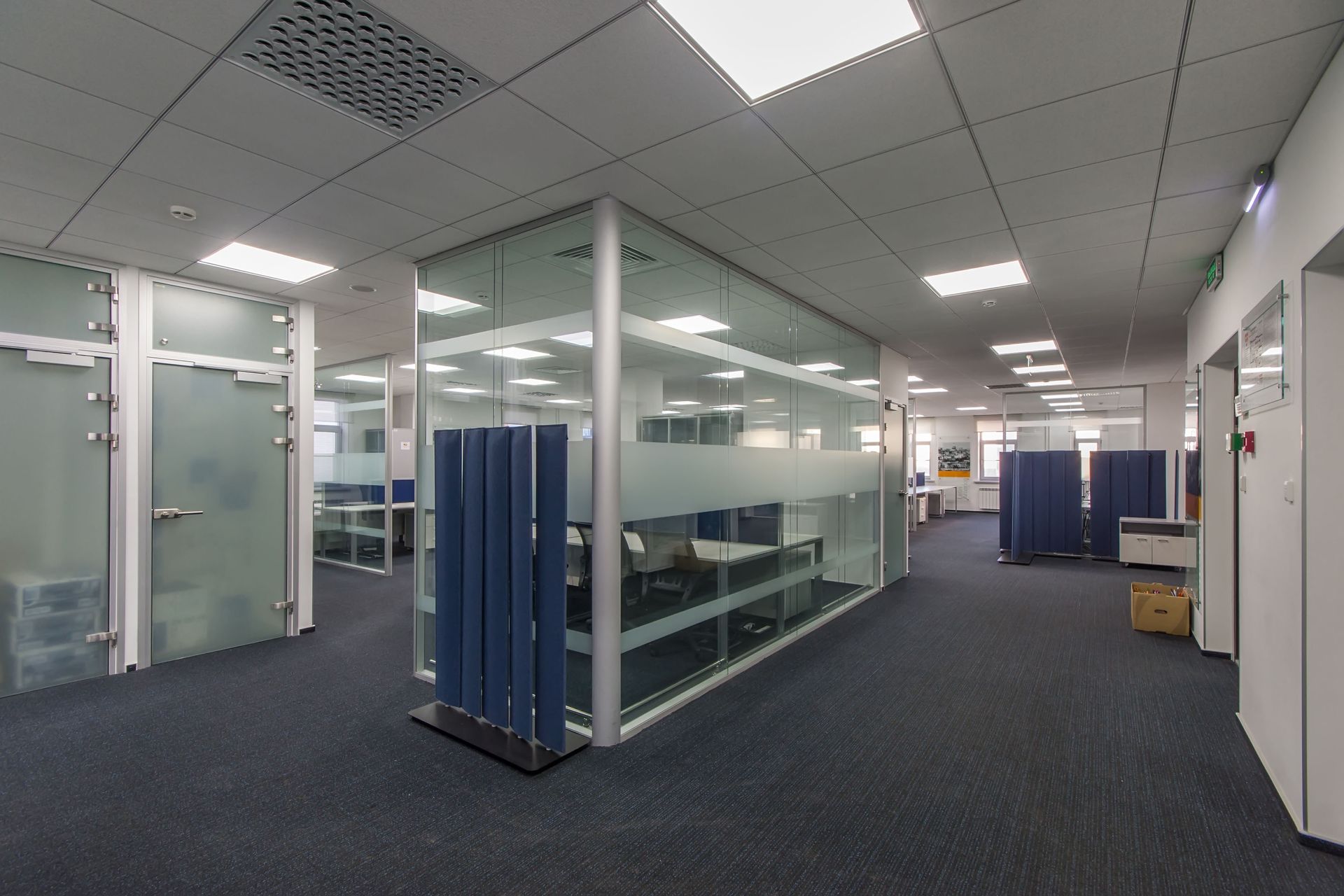
The traditional office setup often consists of enclosed offices and cubicle arrangements. This layout offers privacy, which can be conducive to focused work and maintaining confidentiality. However, it might inhibit communication and collaboration among employees. Evaluating its suitability requires considering your company's culture and workflow.
Open office layouts are designed to encourage interaction and collaboration by reducing physical barriers between employees. Choosing a local office space rental with an open layout can foster a sense of community and make spontaneous communication easier. However, this design may not be ideal for businesses that require privacy or focused work. Companies should carefully weigh the benefits of collaboration against potential distractions before committing to an open plan. When implemented thoughtfully, combining open areas with designated quiet zones can provide a balanced environment that supports both teamwork and concentration.
With more businesses adopting remote and hybrid work models, office space needs are transforming. This model can reduce the overall space required as not all employees are present simultaneously. However, it necessitates rethinking office design to include hot desks for on-site employees. Businesses should also invest in technology to support seamless remote work. Understanding employee preferences and productivity drivers in these models helps optimize space use efficiently.
Determining Space Needs Based on Functionality
Allocating appropriate workstations involves understanding the types and numbers of desks needed to support employees' tasks efficiently. Different roles may require different workstation setups, affecting overall space allocation. Providing ergonomic and adaptable workstations enhances productivity and employee satisfaction. Considering team sizes and typical interaction patterns can guide effective space distribution.
Meeting rooms and collaboration zones play a crucial role in supporting teamwork and hosting clients effectively. When selecting a local office space rental, it's important to plan for the number of meetings, expected group sizes, and necessary technology. Providing a variety of spaces encourages creativity and accommodates different types of interactions. Equipping these areas with the right technology ensures smooth communication, especially for hybrid or remote meetings. Regularly reviewing and adjusting meeting space allocations based on actual usage helps improve efficiency and keeps employees engaged.
Storage and filing solutions often require considerable space, yet they are frequently overlooked in planning. Analyzing current filing systems and anticipating future storage needs ensures sufficient space allocation, reducing clutter. Implementing digital solutions can decrease physical storage needs, allowing more room for collaborative spaces. Custom storage solutions optimize available space, maintaining organization without diminishing other functional areas. By understanding specific storage requirements, businesses can avoid inefficiencies and enhance overall productivity.
Calculating Square Footage per Employee
Calculating square footage per employee is essential for estimating total space requirements. Industry benchmarks provide a guideline for typical space allocations, which differ across sectors and business sizes. Knowing relevant standards helps formulate realistic space estimates and ensure regulatory compliance. Balancing these benchmarks with company-specific needs supports a tailored approach to space planning.
Different roles within a company often require varying amounts of space depending on specific tasks and responsibilities. When choosing a local office space rental, it's important to consider these differences to ensure each team has an environment suited to their work. Collaborative teams may benefit from larger, open areas, while roles such as data analysts or software developers often need dedicated individual workstations. Flexibility is key, as space requirements for each role can change over time with business growth or shifting responsibilities. Planning with these distinctions in mind helps maximize productivity and ensures the office layout supports operational needs effectively.
Company culture significantly influences preferences for office design and layout. A culture emphasizing collaboration might prioritize open spaces and versatile common areas, whereas a focus on autonomy could see more private workstations. Including employee feedback in the planning process can uncover valuable insight into desirable features. Aligning space design with cultural values encourages engagement and a shared sense of purpose.
Budgeting for Office Space
Your region significantly impacts office space costs, influencing overall budgeting for your business. Beyond rental prices, costs can include utilities, maintenance, and compliance with local regulations. Conducting thorough research on market trends informs realistic budget estimates and negotiation tactics. Understanding regional variances can provide competitive advantages by uncovering cost-effective opportunities.
The total cost of occupying an office includes all expenses associated with operating the space effectively. When evaluating a local office space rental, understanding these costs provides a clearer picture of the true financial impact. Expenses such as utilities, security, insurance, and property taxes all contribute to the overall occupancy cost. Analyzing these factors systematically helps ensure alignment with long-term financial strategies and improves cost management. By fully accounting for total occupancy costs, businesses can make informed decisions that support both financial health and operational efficiency.
Contingency planning is an essential aspect of budgeting for office space, addressing unforeseen expenses or economic fluctuations. This financial buffer adds flexibility to financial planning and reduces stress on operational funds. An adequate contingency fund can navigate unforeseen circumstances, such as sudden repairs or changes in regulations. As the business environment continually evolves, a contingency plan ensures resilience and sustained progress. Incorporating contingencies reflects robust financial stewardship and proactive risk management.
Estimating the right amount of office space requires careful analysis of your company's current and future needs. Finding a local office space rental with this information in mind helps businesses make decisions that support both operational efficiency and financial goals. This thoughtful approach balances present demands with future growth, ensuring the space meets the needs of the business and its employees. To find the best office space for your business' needs, contact Alterra Real Estate Advisors.


Share On: