
What Makes a Commercial Property Attractive to Businesses?
Choosing the right location can have a significant impact on a company's visibility, customer access, operating costs and long-term growth. For this reason, businesses evaluating a commercial property often look beyond the size and appearance of a building. They consider everything from its location and amenities to its lease terms and the quality of its property management.
A desirable commercial property should support the practical needs of a business while also creating an environment that appeals to customers, employees and clients. As businesses continue to adapt to changing economic conditions and workplace expectations, property owners must understand what makes a space competitive. Several factors can determine whether a property attracts prospective tenants or struggles to remain occupied.
Consider Important Location Factors
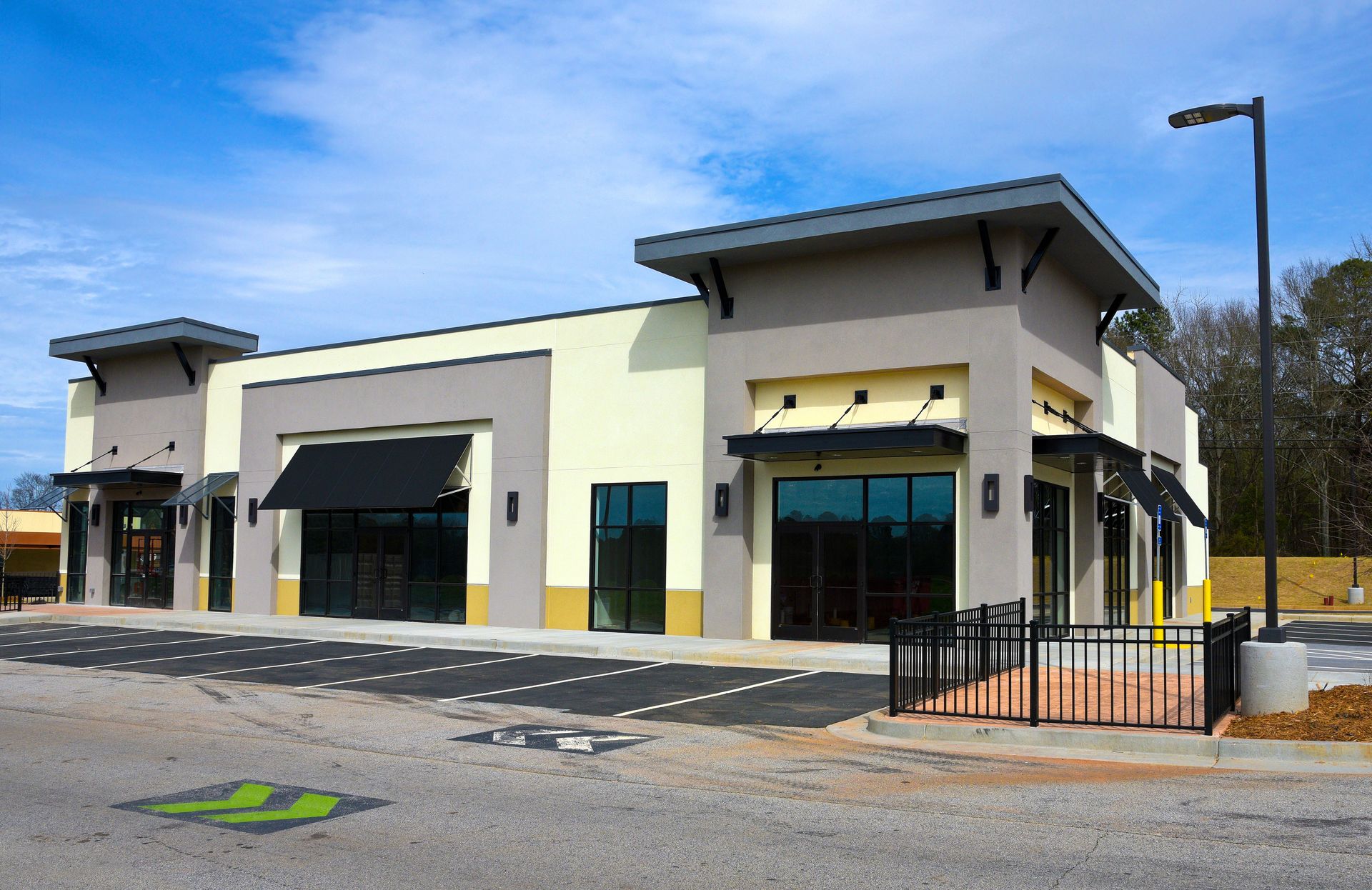
Location is one of the most important considerations for businesses searching for commercial space. A conveniently located commercial property can make it easier for customers to visit, employees to commute and suppliers to access the business. The ideal location will depend on the type of company and the customers it serves.
Accessibility is particularly important. Properties located near major roads, public transportation, parking areas or other transportation hubs may be more convenient for employees and customers. Businesses that rely heavily on in-person customers may also benefit from areas with substantial foot or vehicle traffic.
Visibility can be equally valuable. A storefront that is easy to see from a busy road may provide additional exposure without requiring the business to spend more on advertising. Signage opportunities, building orientation and surrounding development can all influence how easily potential customers notice a company.
Proximity to complementary businesses can also increase a property's appeal. Restaurants may benefit from being near offices or entertainment venues, while professional service providers may prefer locations surrounded by other businesses that attract similar customers. A strong commercial environment can create opportunities for businesses to benefit from the activity generated by neighboring tenants.
Evaluate Building Design And Amenities
The physical characteristics of a commercial property can strongly influence how prospective tenants and their customers perceive the space. Modern, attractive buildings can create a professional impression while also providing practical features that make daily operations easier.
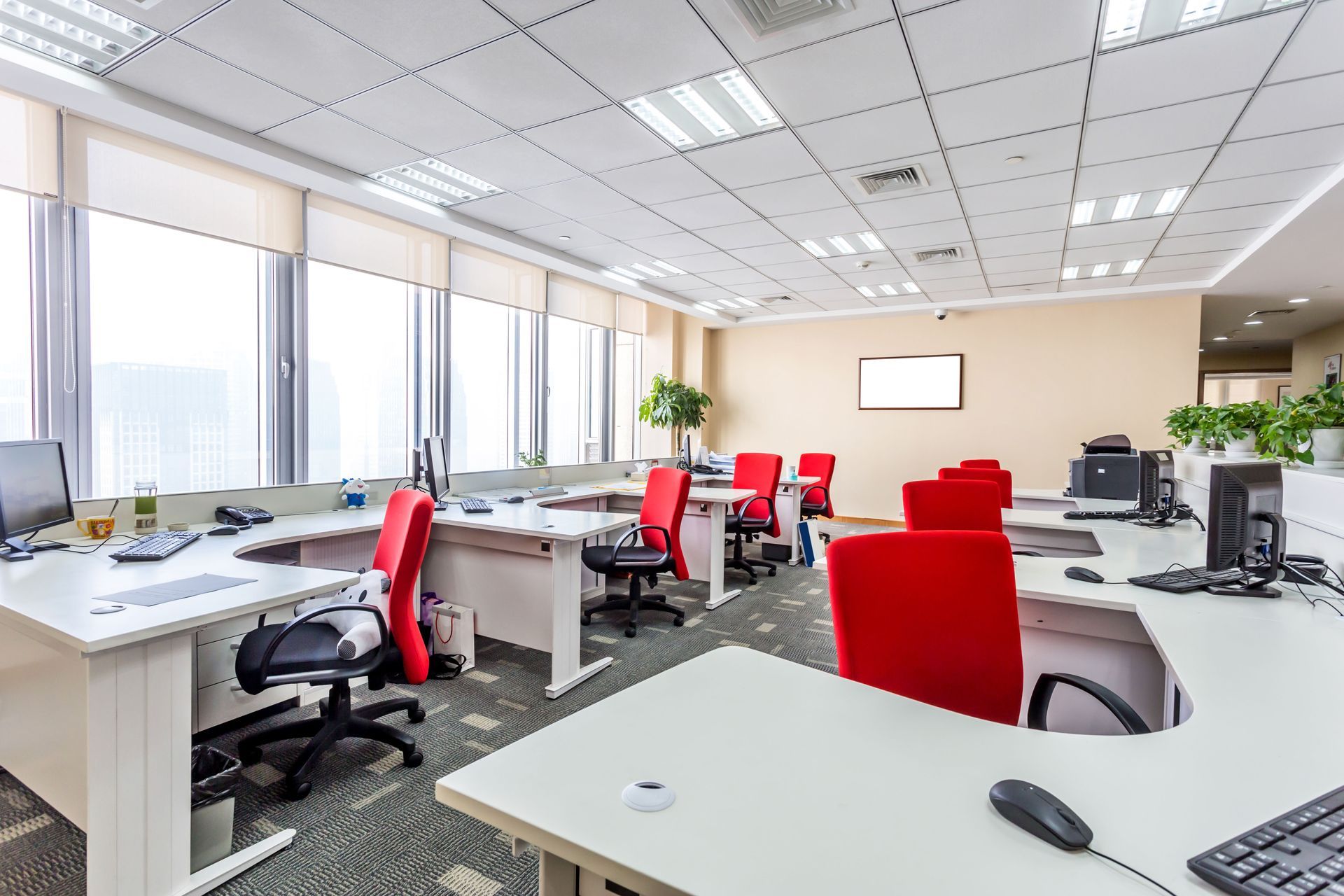
Building layouts should accommodate the specific needs of the businesses using them. Open floor plans may work well for certain offices, while retail businesses may require expansive display areas, storage space and customer circulation areas. Adequate lighting, electrical capacity, climate control and accessibility can also make a major difference.
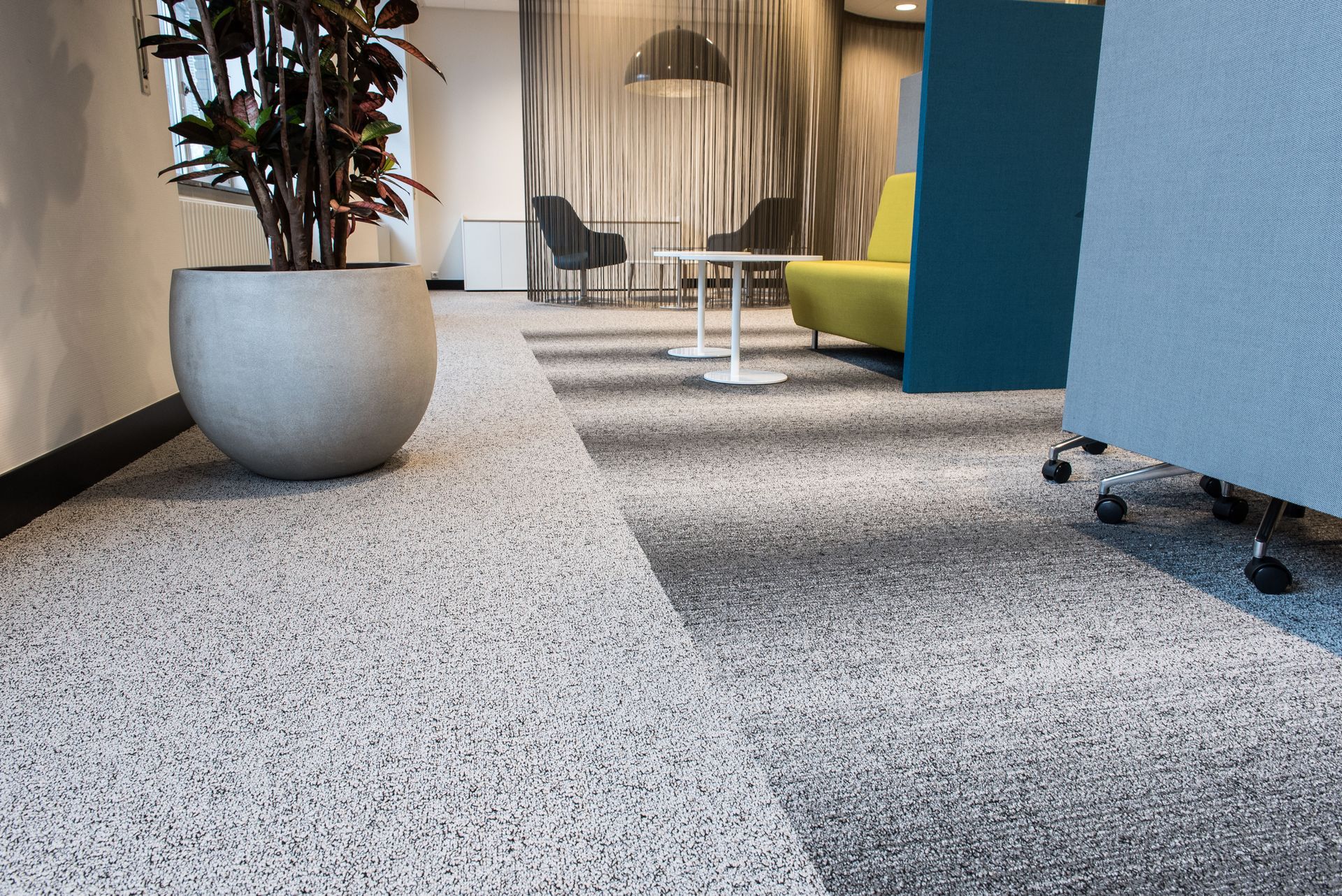
Amenities are another consideration. High-speed internet infrastructure, conference areas, employee lounges, elevators, updated restrooms and convenient parking can make a property more appealing. Depending on the market, businesses may also look for features such as fitness facilities, outdoor gathering areas or shared workspaces.
Sustainable features can add further appeal. Energy-efficient lighting, modern HVAC systems, efficient insulation, renewable energy systems and water-saving fixtures may help reduce operating costs while supporting businesses' environmental goals. These improvements can make a commercial property more attractive to companies that prioritize sustainability and long-term efficiency.
Examine Leasing Flexibility
Businesses do not all operate under the same circumstances, which makes leasing flexibility an important consideration. A company that is expanding may need additional space in the future, while a newer business may be hesitant to commit to a lengthy lease before establishing itself.
Flexible lease terms can make a commercial property accessible to a broader range of potential tenants. Options involving different lease lengths, renewal provisions or expansion opportunities can allow businesses to choose arrangements that better align with their financial and operational plans.
Space flexibility can also matter. Some businesses may need the ability to modify their space as their operations change. A property that can accommodate additional offices, retail areas, storage or workstations may provide more long-term value than a space with limited possibilities for modification.
Clear lease agreements are equally important. Businesses typically want to understand their responsibilities regarding maintenance, utilities, insurance, property improvements and other expenses before committing to a location. Transparent terms can help prospective tenants evaluate the true cost of occupying a commercial property.
Monitor Market Trends And Conditions
The broader real estate market can influence what businesses expect from commercial space. Economic conditions, consumer behavior, interest rates, employment patterns and changes in workplace practices can all affect demand for different types of properties.
According to Market Data Forecast, the United States commercial real estate market is projected to grow from approximately $1.72 trillion in 2026 to $2.18 trillion by 2034, representing a compound annual growth rate of 2.98% during that period. This projected growth illustrates the continued scale of the commercial real estate sector and the importance of understanding changing market conditions.
Businesses may respond to market trends by reassessing how much space they need and where they want to operate. For example, companies with hybrid workforces may prioritize flexible office layouts rather than large traditional offices. Retailers may place greater emphasis on convenient access and experiential spaces as consumers increasingly combine online and in-person shopping.
Local market conditions are also important. A commercial property located in an area experiencing population growth, infrastructure investment or new development may offer different opportunities than one in a declining market. Businesses often consider both current conditions and the potential direction of the surrounding area before making a long-term commitment.
Prioritize Professional Property Management
Even an attractive building can become less appealing if it is poorly maintained. Professional property management can therefore play an important role in attracting and retaining businesses.
Regular maintenance helps preserve the appearance, safety and functionality of a commercial property. Prompt attention to issues involving plumbing, heating, cooling, electrical systems, parking areas and common spaces can reduce disruptions for tenants. Clean and well-maintained surroundings can also create a better impression for customers and employees.
Security is another important consideration. Depending on the property, businesses may value features such as adequate exterior lighting, surveillance systems, controlled access and professional security services. The appropriate measures will vary according to the building and its tenants, but businesses generally want to know that reasonable steps are being taken to maintain a secure environment.
Strong tenant communication can be just as valuable. Property managers who respond promptly to questions and maintenance requests can make it easier for businesses to focus on their own operations. Effective communication can also help resolve issues before they become major problems.
Ultimately, good property management helps ensure that the benefits promised by a commercial property continue after a business signs a lease. A well-maintained building, responsive management team and reliable services can contribute significantly to tenant satisfaction.
Understand What Businesses Value
An attractive commercial property combines location, functionality, flexibility and reliable management. Businesses want spaces that allow them to serve customers effectively, support employees and operate efficiently. While the priorities may differ between industries, certain fundamentals remain important across many types of commercial real estate.
A convenient location can improve accessibility and visibility. Modern design and useful amenities can make a space more functional and appealing. Flexible leasing arrangements can accommodate changing business needs, while awareness of market conditions can help companies make informed long-term decisions. Professional property management can then protect the value and usability of the property after tenants move in.
For property owners and managers, understanding these factors can help create spaces that meet the expectations of today's businesses. For prospective tenants, evaluating each of these elements can make it easier to identify a commercial property that supports both current operations and future growth. If you're looking for
commercial property, reach out to the team at Alterra Real Estate Advisors today!


Share On: